A Practical Guide to Buying Wholesale Marijuana Seeds
When you start looking into the cannabis industry at scale, the conversation quickly shifts from individual plants to entire crops. Whether you are a commercial cultivator, a greenhouse manager, or a startup seed bank, the economics of cannabis production depend on volume. And volume starts with buying wholesale marijuana seeds. Not just any seeds, but genetics you can trust, strains that sell, and a supply chain that delivers consistently. I have spent years working with growers across different climates and setups, and the difference between a good season and a great one often comes down to where you source your starting material.
Understanding the Seed Bank Landscape
A seed bank is more than a warehouse of packets. A reputable seed bank curates genetics, tests for stability, and maintains high germination rates. When you buy wholesale, you are essentially partnering with that bank to carry their genetics to a wider market. That relationship matters. I have seen growers jump at the lowest price per seed only to end up with a mix of phenotypes that made harvest unpredictable. A low germination rate on a bulk order is not just a numbers problem; it throws off your entire planting schedule, your labor allocation, and your yield projections.
The best seed banks provide detailed information on each cultivar: whether it is Cannabis sativa or Cannabis indica dominant, whether it is a photoperiod or an autoflowering strain, and whether the seeds are feminized. Feminized seeds eliminate the guesswork of sexing plants, which is a huge time saver in a commercial indoor grow or an outdoor grow where every square foot counts. Autoflowering seeds, on the other hand, offer a faster turnaround and can be planted in succession, which some growers prefer for continuous harvest cycles.
Genetics and Stability
Genetics are the backbone of any cannabis operation. A stable line means uniform growth, consistent THC and CBD levels, and predictable terpene profiles. When you buy wholesale marijuana seeds, you are not just buying a strain name. You are buying the work of breeders who have stabilized a phenotype over multiple generations. I once visited a facility that grew the same cultivar from two different suppliers. One lot was uniform, with plants maturing within the same week. The other had a spread of three weeks in flowering time. That variability cost them in labor, space, and final product quality.

Photoperiod strains require a shift in light cycles to trigger flowering, which gives you more control over veg time and plant size. This is ideal for indoor grow operations where you can manipulate the environment precisely. Outdoor growers and greenhouse operators often lean toward photoperiod strains as well, timing the natural light cycle to their advantage. Hydroponics setups, in particular, benefit from photoperiod genetics because the grower can dial in nutrients and light to match the plant's stage exactly.
For those who want simplicity, autoflowering seeds are an attractive option. They flower based on age, not light cycles, which means they can be grown in organic soil with minimal intervention. The trade-off is that autoflowering strains have historically yielded less and had lower THC content, though modern breeding has closed that gap significantly. A good seed bank will list these details clearly, including the expected harvest window and typical cannabinoid profile.
Bulk Seeds and Logistics
Buying bulk seeds is about more than just price per unit. It is about consistency across a large order. If you are planting a full greenhouse, you want every seed from that batch to share the same genetic heritage. A professional seed bank will provide batch testing results, including germination rate data. I always recommend asking for a small sample batch before committing to a large order. Even a hundred seeds can tell you a lot about the quality of the batch.
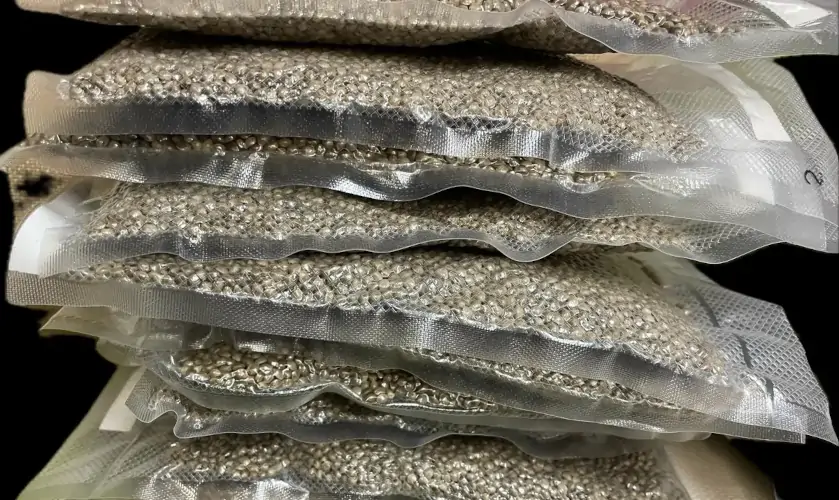
Worldwide delivery adds another layer of complexity. Shipping cannabis seeds across borders involves customs regulations, phytosanitary certificates, and sometimes a bit of patience. A reliable supplier will have experience with international shipping and will package seeds discreetly and securely. Temperature and humidity during transit can affect viability, so proper packaging is a sign of a professional operation. I have seen seeds arrive in plastic bags with no padding, and the germination rate was abysmal. Compare that to a supplier that uses vacuum-sealed packs with desiccant, and the difference is night and day.
When evaluating a seed bank, look for transparent policies on shipping, returns, and replacement guarantees. A company that stands behind its germination rate is more likely to be honest about its genetics.
Choosing the Right Cultivar for Your Setup
Not every strain works in every environment. Cannabis sativa varieties tend to grow tall and lanky, with longer flowering times. They are great for outdoor grows in warm climates where they can stretch toward the sun. Cannabis indica varieties are shorter, bushier, and finish faster, making them a favorite for indoor grows and hydroponics where vertical space is limited. Many modern cultivars are hybrids, blending the best of both worlds.

Terpenes are another factor that drives market demand. The specific aroma and flavor profile of a strain can make it a bestseller or a shelf-warmer. Lemon-scented strains with high limonene content, piney strains with myrcene, and fruity strains with caryophyllene all have their dedicated audiences. When you buy wholesale, you are making a bet on what consumers will want six months from now. That requires some market research and a willingness to take calculated risks.
THC content is often the headline number, but CBD and the full cannabinoid profile matter too. Some markets prefer balanced ratios for a more moderate experience, while others chase high-THC strains for potency. A good seed bank will provide lab-tested cannabinoid data for its cultivars, not just marketing claims.
Practical Tips for First-Time Wholesale Buyers
If you are new to buying wholesale, here are a few things I have learned the hard way:
- Start with a small order from a new supplier to test germination rate and phenotype consistency before scaling up.
- Ask for the breeder's lineage information. Knowing the parent strains helps predict growth patterns and resistance to pests.
- Check the seed bank's reputation on independent forums and grow journals. Real feedback from other growers is worth more than a polished website.
- Consider the legal framework in your region. Even where cannabis is legal, seed importation may have specific rules.
- Plan your storage. Seeds kept in a cool, dark, dry place remain viable for years. Bulk orders should be stored properly to maintain that high germination rate.
These steps might seem basic, but I have seen experienced growers skip them and regret it. The seed bank you choose becomes a partner in your success, so it pays to vet them thoroughly.
The Future of Wholesale Cannabis Seeds
The cannabis industry is still young, and the wholesale seed market is evolving fast. Breeders are developing new cultivars that resist mold, thrive in organic soil, and produce unique terpene profiles. Autoflowering seeds are becoming more sophisticated, with some rivaling photoperiod strains in yield and potency. Feminized seeds are now the standard for most commercial operations, reducing the risk of male plants ruining a crop through pollination.
As more countries and states move toward legalization, the demand for high-quality bulk seeds will only grow. Smart buyers are the ones who build relationships with reliable seed banks early, before the market gets flooded with mediocre genetics. The cost of a bad batch is not just the seeds themselves; it is the lost time, the wasted labor, and the missed revenue.
Buying wholesale marijuana seeds is a serious business decision. It requires research, patience, and a willingness to invest in quality. But when you get it right, the payoff is a consistent, marketable crop that keeps your customers coming back. Whether you are growing in a high-tech hydroponics setup or a simple organic soil greenhouse, the starting point is the same: choose your genetics wisely, and choose your supplier even more carefully.